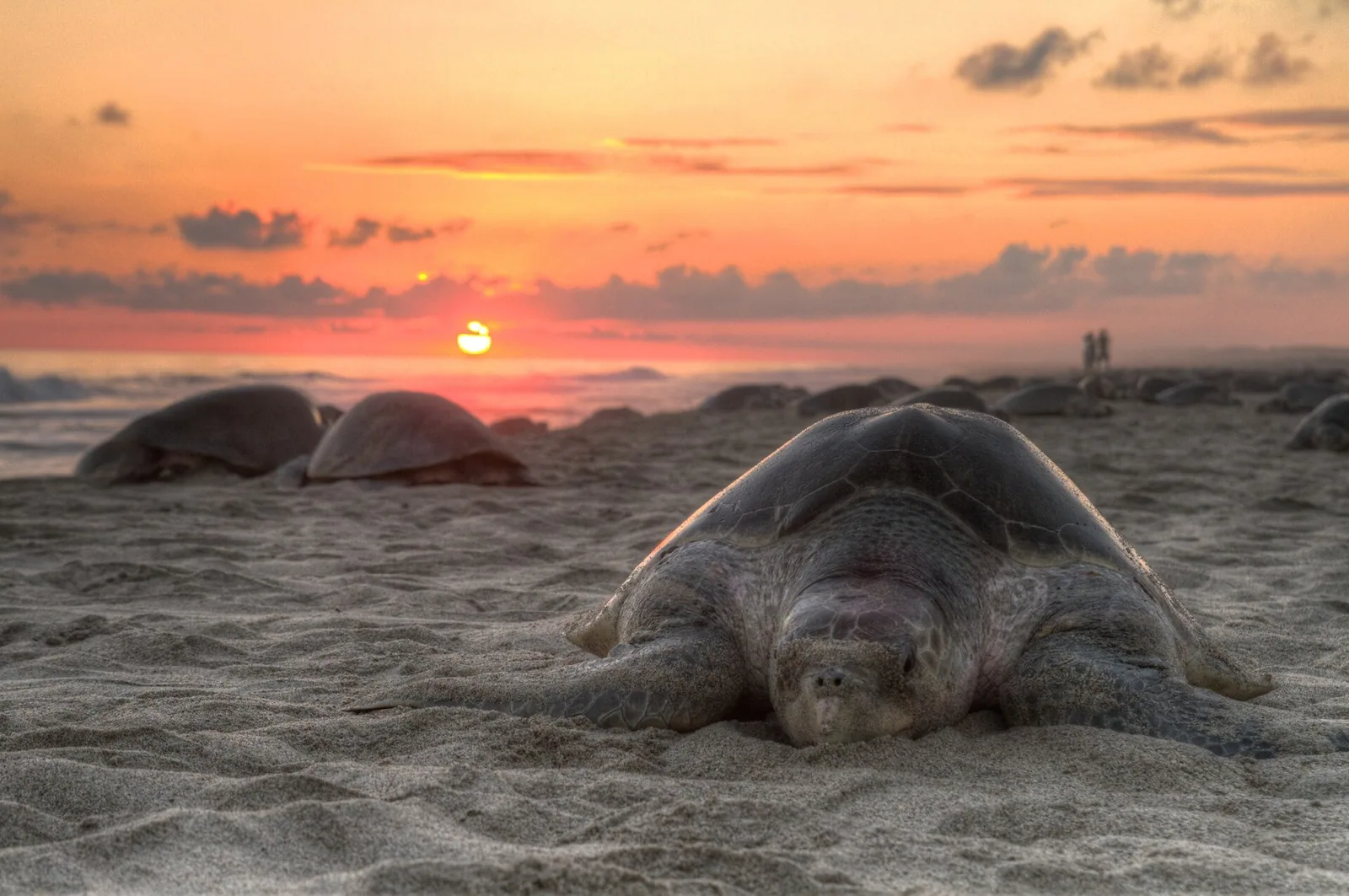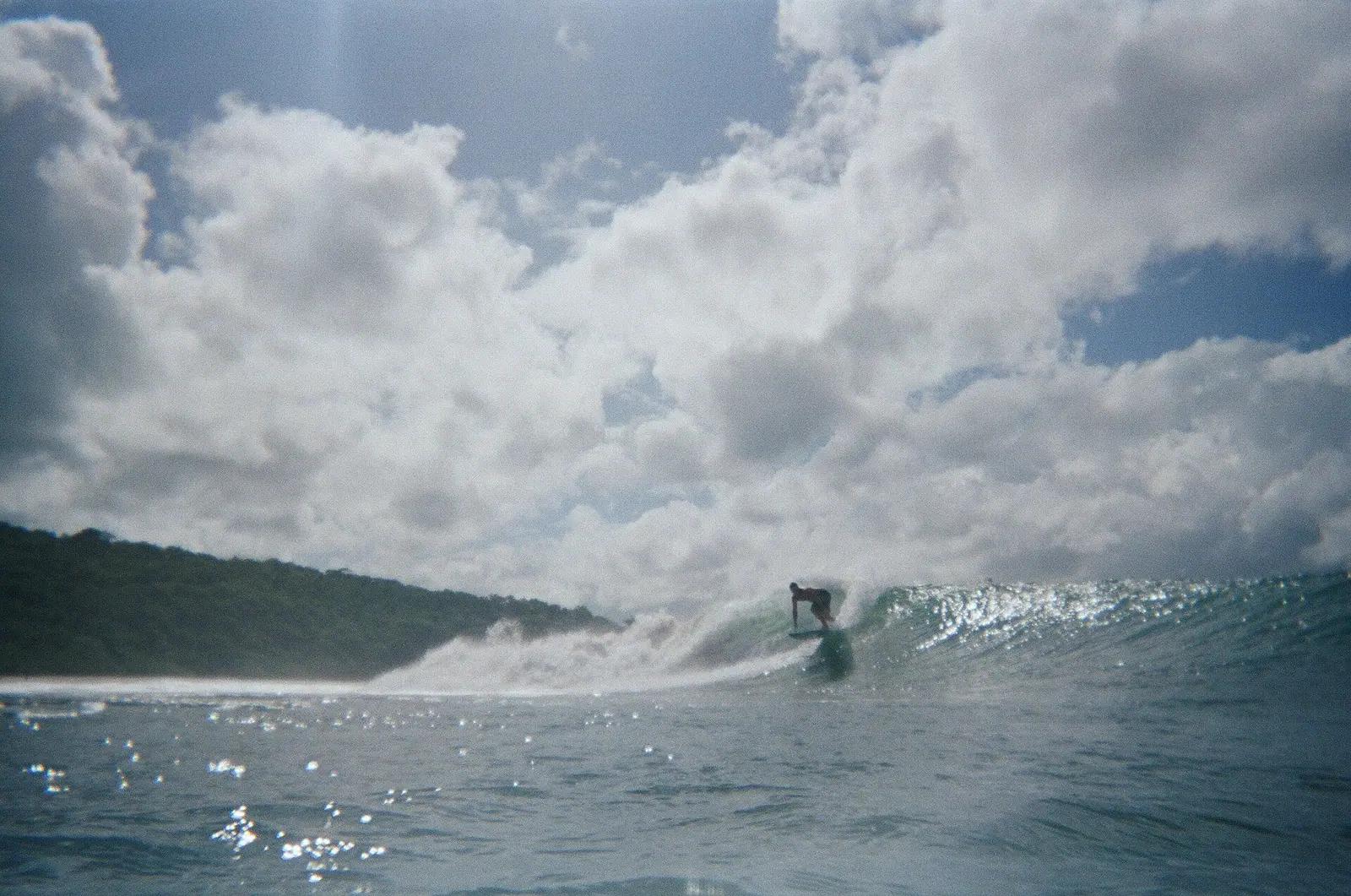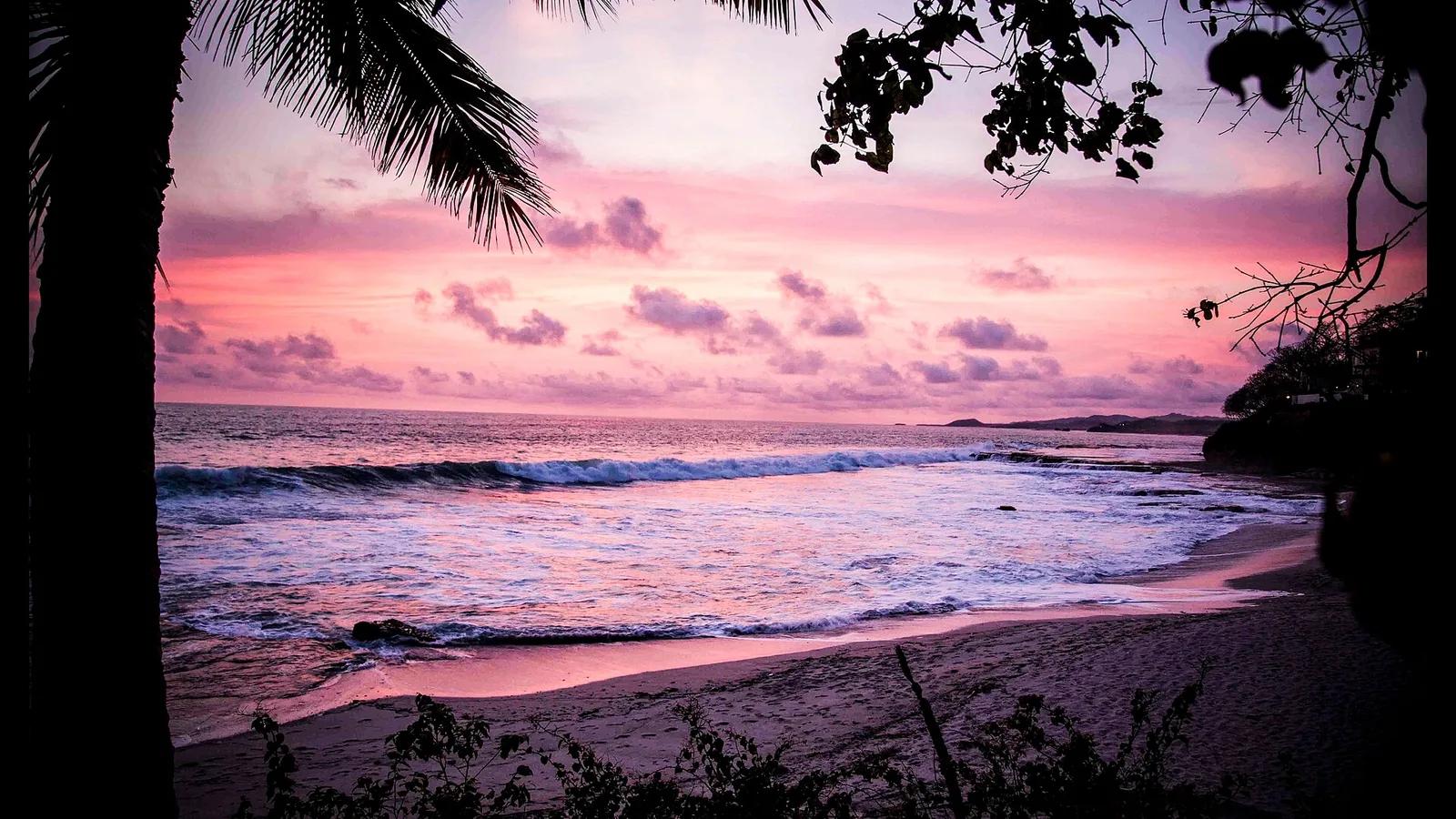
La Flor Wildlife Refuge is the beach in the municipality of San Juan del Sur where olive ridley sea turtles, called paslama here, come ashore by the thousands between July and January. Tola, west of Rivas, holds the beaches of our Tola day: Popoyo, Guasacate and Playa Gigante. Monkeys Travels & Tours runs night turtle tours and private beach days to both from Rivas and San Juan del Sur.
What to do
Watch an arribada at La Flor
An arribada is a mass nesting. On October 13, 2026, La Prensa reported the sixth arribada of the year, which began on October 1 with 32,949 females. In December 2025 the count was 36,647 females in seven days. In September 2025 MARENA counted 5,771 turtles over four days, with 47 nests and 4,398 eggs moved to hatcheries. The 2024 season opened with 12,321 females in late October. Our night tour leaves Rivas or San Juan del Sur in the evening with a certified wildlife guide, the refuge entrance and night equipment included, from US$45 per person (groups of 4 to 6); US$80 solo.
Follow the rangers
La Flor is a protected area run by MARENA. During the September 2025 arribada the beach was guarded by the Police, the Army and park rangers, and 69 tourists were received. The rules are the rangers' rules: no white light or flash, keep your distance, stay quiet and move only where the guide indicates. Hatchlings from the protected nests are released later; La Prensa reported 488 released at Chacocente in 2026.
Try Chacocente
The Río Escalante-Chacocente Wildlife Refuge was created by Decree 1294 of 1983 to protect nesting beaches of the same species. It covers about 4,645 hectares across Santa Teresa and Jinotepe, in Carazo, and Tola, in Rivas. Our Chacocente night tour costs from US$50 per person (groups of 4 to 6); US$85 solo.
Surf or watch the wave at Popoyo
Popoyo is in the municipality of Tola, west of Rivas. Mondo Surf rates it as very consistent, with more than 150 days a year, and says it works on all tides. Our Tola beaches day visits Popoyo, Guasacate and Playa Gigante and includes private transport, a beach guide, snorkeling equipment and water, from US$40 per person (groups of 4 to 6); US$75 solo. Surf lessons are extra.
Eat fish at Playa Gigante
Playa Gigante is a fishing village on the Tola coast and the lunch stop of our Tola day. Meals are not included, so bring córdobas; the restaurants on the sand sell what came in that morning.
Spend a day at Playa Hermosa
On the San Juan del Sur side, Playa Hermosa is close to empty on weekdays. Our private beach day there includes transport from Rivas, a beach guide, hammocks under the palms, fresh ceviche and water, from US$35 per person (groups of 4 to 6); US$65 solo.
How to get there from Rivas or San Juan del Sur
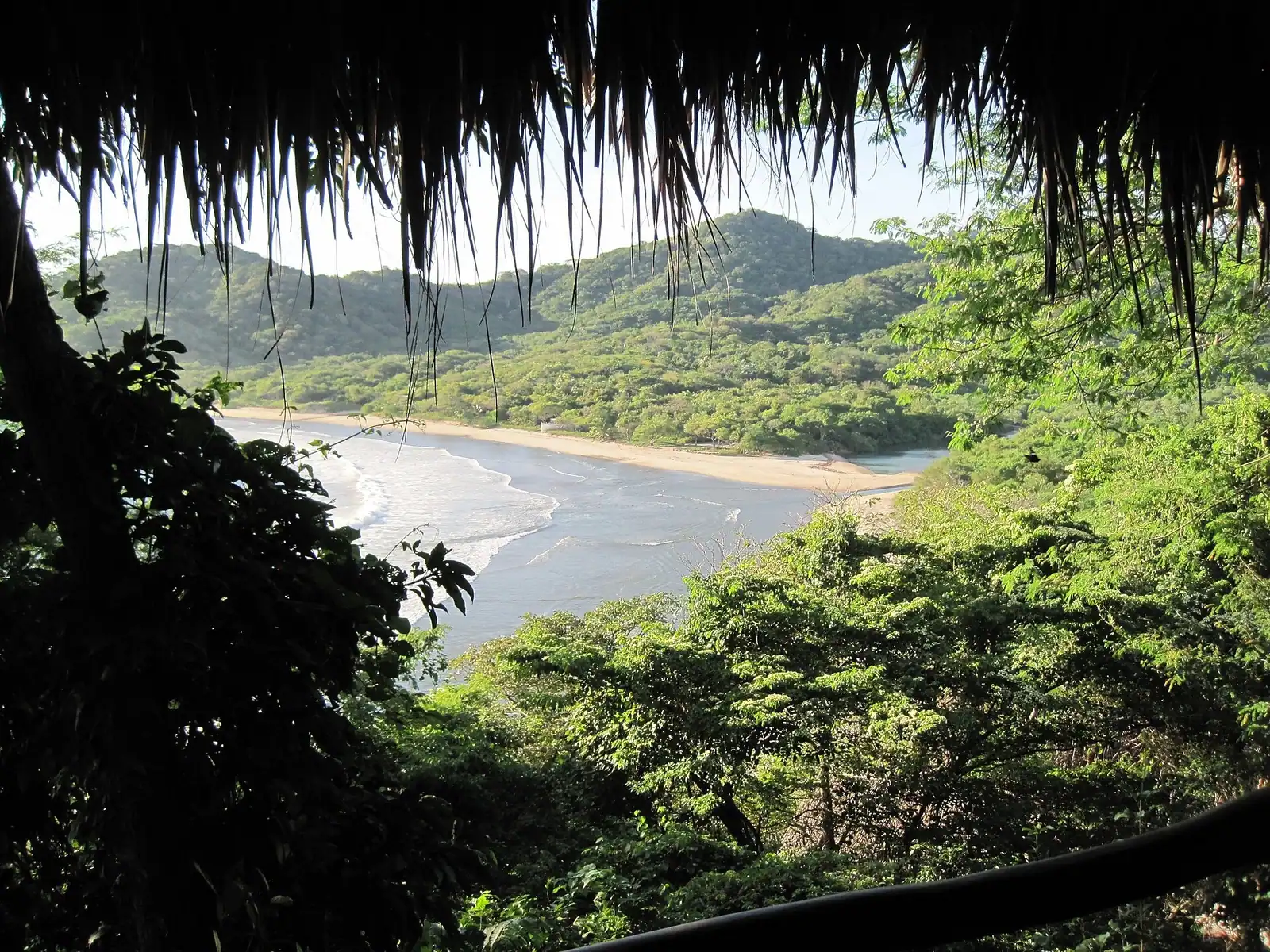
La Flor lies within the municipality of San Juan del Sur, and the night tour is timed around dark, so we pick you up at your hotel in San Juan del Sur or Rivas in the evening and bring you back the same night.
For Tola, we pick you up in Rivas or San Juan del Sur and drive west to Popoyo, Guasacate and Playa Gigante; see the Rivas page. If you stay in town, start with our San Juan del Sur page. Dates, counts and how we decide which night to go are in our guide to the La Flor turtle season.
Best time to visit
Turtle season runs from July to January according to MARENA. The biggest arribadas in recent records fell in October 2026 and December 2025, with August, September and January bringing smaller numbers. For the beaches, the dry season runs from November to April and the rainy season from May to October, with September and October the wettest months; Mondo Surf says Popoyo works on all tides. Demand peaks from December to April.
What to bring
- Dark clothing and closed shoes for the night walk on the sand.
- No flashlight with white light and no flash; the guide carries the approved night equipment.
- Insect repellent for the evening at La Flor.
- Sunscreen, a hat and a rash guard for Tola; the beaches have little shade.
- Córdobas for lunch at Playa Gigante and for tips; meals are not included.
- Leave the drone at home: Spain's foreign ministry lists unmanned aircraft among the items you cannot bring into Nicaragua.